


Accessible Ocean Tourism is emerging as a new interdisciplinary framework that expands traditional understandings of accessible tourism into marine and coastal environments. While disability-inclusive tourism has developed significantly within urban and terrestrial tourism systems, ocean and coastal tourism remain among the least accessible sectors globally. This paper conceptualises Accessible Ocean Tourism as a systems-based framework integrating disability inclusion, adaptive marine recreation, ocean literacy, youth participation, mental wellbeing, sustainability, and equitable access to marine environments. Drawing upon the historical evolution of adaptive diving through the Handicapped Scuba Association (HSA), this article traces how disability-inclusive diving initiatives evolved into broader conversations surrounding inclusive marine tourism systems. The paper further examines the role of ocean engagement in supporting youth mental health, trauma recovery, and social participation, particularly for individuals with cognitive disabilities, neurodiversity, anxiety, and post-traumatic stress disorders. The article argues that Accessible Ocean Tourism aligns strongly with the United Nations Sustainable Development Goals, the UN Decade of Ocean Science for Sustainable Development, and contemporary sustainable tourism frameworks. The study concludes by proposing a conceptual model for Accessible Ocean Tourism and outlining policy, education, infrastructure, and tourism management recommendations for future implementation.
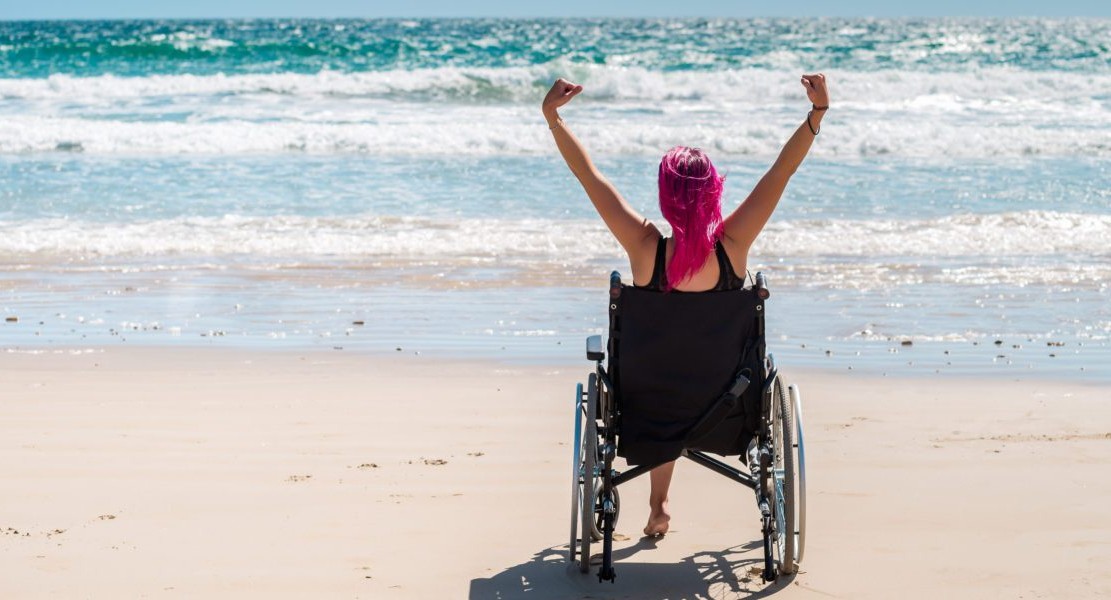
Keywords: Accessible Ocean Tourism; adaptive diving; disability inclusion; ocean literacy; sustainable tourism; youth wellbeing; marine accessibility
- Introduction
Tourism has increasingly evolved toward more inclusive models of participation; however, marine and coastal tourism remain among the least accessible sectors globally for people with disabilities, neurodiverse individuals, and those with mental health challenges. While accessibility conversations in tourism often focus on transportation, accommodation, or urban mobility, significantly less attention has been given to equitable participation within ocean spaces and marine environments.
According to the World Health Organization (WHO), over 1.3 billion people worldwide live with some form of disability, representing approximately 16% of the global population (World Health Organization, 2023). Yet disabled communities remain substantially underrepresented in adventure tourism, marine recreation, ocean exploration, coastal interpretation, and citizen science initiatives. Existing tourism systems frequently fail to recognise the educational, therapeutic, social, and environmental benefits that inclusive marine engagement can provide.
This paper introduces Accessible Ocean Tourism as an emerging interdisciplinary framework extending beyond conventional accessibility models into marine and coastal participation systems. The concept integrates adaptive recreation, accessible infrastructure, ocean literacy, sustainability, youth participation, citizen science, marine conservation, and psychosocial wellbeing.
Accessible Ocean Tourism is defined in this paper as:
“A systems-based approach to marine and coastal tourism that ensures equitable access, participation, education, and engagement with ocean environments for people of all abilities through inclusive infrastructure, adaptive recreation, ocean literacy, sustainability, and community participation.”
Unlike mainstream accessible tourism frameworks that primarily focus on accommodation and transportation systems, Accessible Ocean Tourism specifically addresses barriers unique to marine environments, including:
- coastal infrastructure,
- marine mobility,
- sensory barriers,
- adaptive safety systems,
- ocean education accessibility,
- and participation in marine conservation.
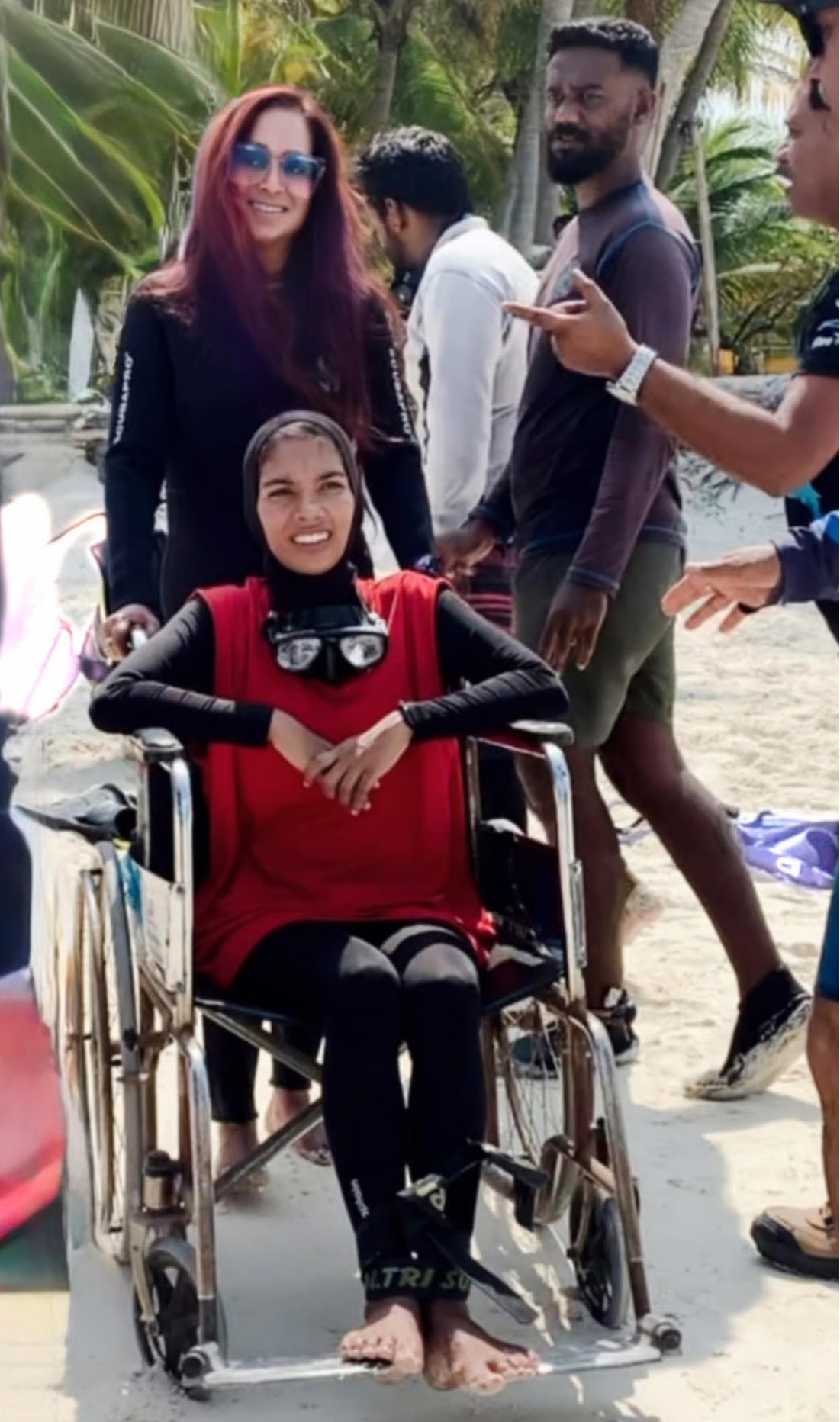
This article argues that Accessible Ocean Tourism is not merely a tourism niche but a broader sustainability and participation framework aligned with:
- SDG 3: Good Health and Wellbeing,
- SDG 10: Reduced Inequalities,
- SDG 14: Life Below Water,
- and the United Nations Decade of Ocean Science for Sustainable Development.
The paper also positions ocean participation as a potential contributor to youth wellbeing and psychosocial resilience. Recent studies on blue spaces suggest marine and coastal environments may positively influence emotional regulation, anxiety reduction, social interaction, trauma recovery, and cognitive restoration (White et al., 2020).
Furthermore, this article traces the historical foundations of Accessible Ocean Tourism through the pioneering adaptive diving work of Jim Gatacre and the Handicapped Scuba Association (HSA), whose disability-inclusive scuba certification systems helped transform assumptions regarding underwater participation and capability.
Despite growing scholarship on accessible tourism and adaptive recreation, limited research has conceptualised marine accessibility as an integrated tourism framework connecting disability inclusion, ocean literacy, youth wellbeing, and sustainable coastal participation. This paper addresses that gap.
- Literature Review
2.1 Accessible tourism and disability inclusion
Accessible tourism has emerged as a major field within tourism research over the past two decades. Scholars such as Darcy and Buhalis (2011) argued that accessible tourism should be viewed not as a specialised niche but as a universal tourism right grounded in social equity and inclusion.
The United Nations Convention on the Rights of Persons with Disabilities (UNCRPD) reinforced accessibility as a human rights issue, emphasising equal participation in recreation, tourism, cultural life, and leisure activities (United Nations, 2006).
Research on accessible tourism has primarily focused on:
- accommodation accessibility,
- urban mobility,
- transportation systems,
- destination infrastructure,
- and hospitality service delivery.
However, marine and coastal tourism accessibility remains comparatively underdeveloped within academic literature.
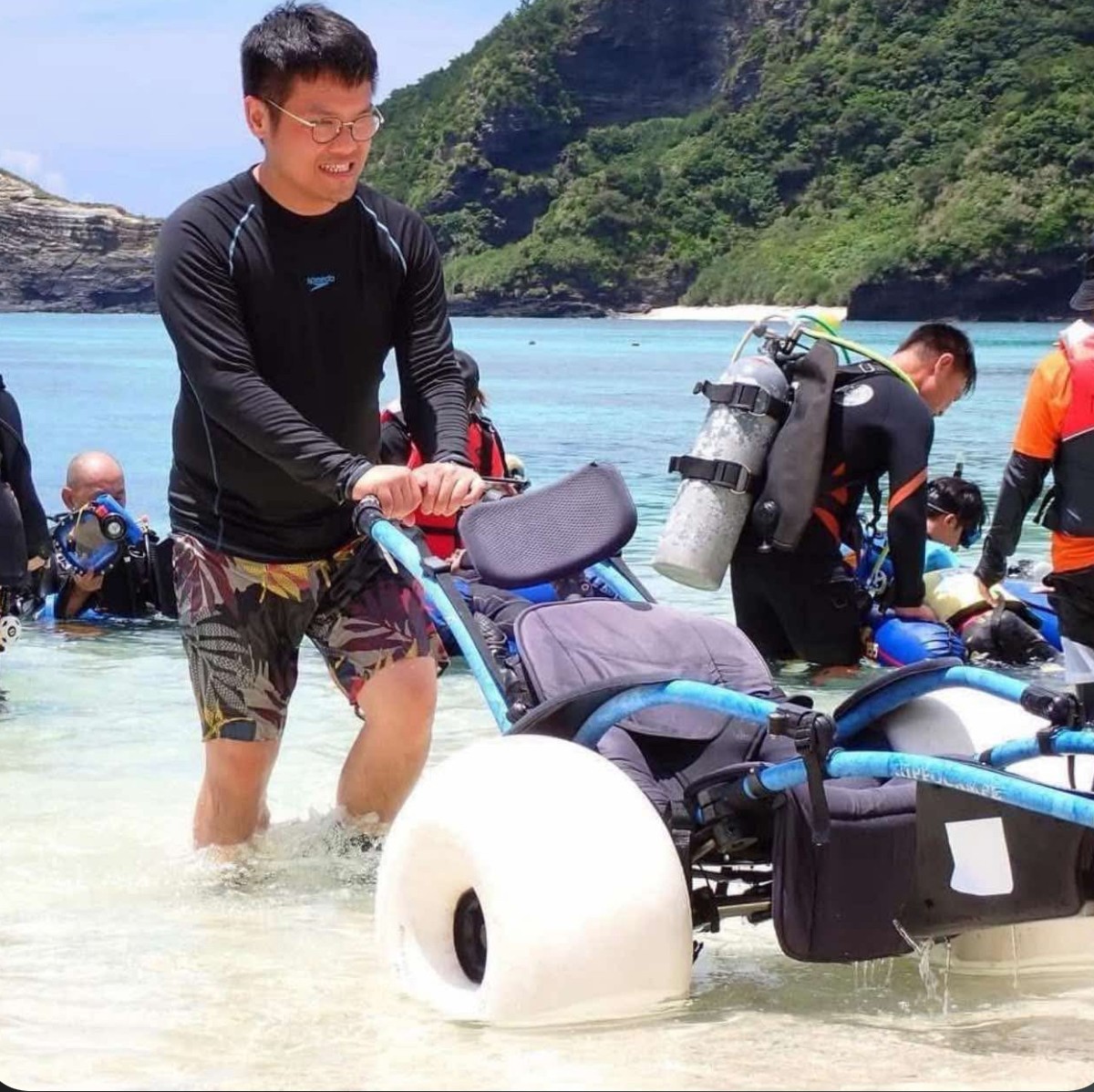
Beaches, marinas, dive vessels, coastal trails, snorkelling sites, island transport systems, and marine recreation centres continue to present significant barriers for:
- mobility-impaired travellers,
- neurodiverse individuals,
- individuals with sensory disabilities,
- and people experiencing psychosocial challenges.
Darcy et al. (2010) noted that accessibility must move beyond compliance toward experiential inclusion. This becomes particularly relevant within ocean tourism, where environmental conditions, safety systems, and physical mobility challenges are amplified.
2.2 Adaptive diving and marine inclusion
Adaptive diving represents one of the earliest organised attempts to create inclusive marine recreation systems for people with disabilities.
The development of disability-inclusive scuba training during the 1970s and 1980s significantly challenged dominant assumptions surrounding underwater participation. The Handicapped Scuba Association (HSA), founded by Jim Gatacre in 1981, became one of the world’s leading adaptive diving organisations.
HSA introduced:
- structured diver assessments,
- adaptive instructor training,
- multi-level certification systems,
- dive buddy training,
- and disability-inclusive safety protocols.
Importantly, HSA’s philosophy focused on adaptation rather than exclusion. Instead of defining disability as a limitation, the organisation approached accessibility through training methodologies, environmental adaptation, and instructor competency.
Collaborations with certifying agencies including PADI and NAUI helped establish adaptive diving within mainstream scuba education systems internationally.
The HSA Instructor Training Course (ITC) became particularly influential because it focused not on teaching scuba itself, but on educating instructors regarding:
- disability awareness,
- adaptive communication,
- mobility considerations,
- accessible travel,
- and safety adaptation.
The programme included:
- academic instruction,
- confined water training,
- open water practical assessments,
- and simulated mobility exercises.
This approach fundamentally reframed disability within adventure tourism from exclusion toward capability and participation.
2.3 Ocean literacy and marine participation
Ocean literacy has increasingly emerged as a global educational priority. UNESCO defines ocean literacy as understanding “the ocean’s influence on people and our influence on the ocean” (UNESCO, 2022).
However, participation in marine education remains unequal. Disabled communities and neurodiverse youth often face exclusion from:
- field-based marine learning,
- citizen science,
- conservation volunteering,
- and experiential coastal education.
Accessible Ocean Tourism therefore extends beyond tourism participation into environmental citizenship and marine stewardship.
This conceptual expansion is particularly relevant within island and coastal communities where tourism, conservation, local livelihoods, and environmental education intersect.
2.4 Blue spaces and mental wellbeing
Recent interdisciplinary research highlights the mental health benefits associated with blue spaces, including oceans, coastlines, rivers, and marine ecosystems.
Exposure to marine environments has been associated with:
- emotional restoration,
- reduced stress,
- increased social interaction,
- improved mood,
- and psychological resilience.
White et al. (2020) demonstrated significant associations between nature exposure and positive wellbeing outcomes. Other studies suggest marine engagement may support recovery pathways for individuals experiencing:
- trauma,
- PTSD,
- anxiety,
- depression,
- and neurodiverse sensory challenges.
For young people especially, marine environments may offer non-clinical pathways toward emotional regulation, social inclusion, and experiential learning.
Despite growing blue health scholarship, limited research currently connects marine wellbeing with accessible tourism systems.
- Historical Foundations: Adaptive Diving and HSA
The origins of Accessible diving can be traced to the emergence of adaptive diving movements during the late twentieth century.
In the early 1970s, scuba diving for individuals with physical disabilities was widely viewed as unsafe or unrealistic. This perception began to change through the pioneering work of Jim Gatacre.
After an accident left one of his arms partially paralysed, Gatacre pursued scuba certification while studying at the University of California, Irvine. Diving became both personally transformative and socially motivating, inspiring him to expand underwater opportunities for others with disabilities.
In 1975, some of the earliest organised scuba training initiatives for disabled individuals began emerging in California. These programmes eventually evolved into the Handicapped Scuba Association (HSA), formally established in 1981.
HSA became internationally recognised for developing one of the world’s first comprehensive adaptive scuba certification systems. Its training philosophy centred on:
- adaptation,
- capability,
- instructor responsibility,
- and environmental accessibility.
The HSA Instructor Training Course (ITC) specifically educated dive professionals on:
- disability awareness,
- accessibility considerations,
- adaptive communication,
- mobility support,
- travel considerations,
- and inclusive risk management.
The programme was divided into:
- classroom academics,
- confined water instruction,
- and open water assessments.
Importantly, HSA recognised that successful inclusion depended not solely on disabled divers, but also on:
- trained instructors,
- informed dive buddies,
- accessible infrastructure,
- and supportive marine environments.
Historical records indicate that thousands of adaptive divers, instructors, dive buddies, and course directors have since been trained internationally.
The significance of HSA extends beyond scuba recreation. Its work fundamentally challenged assumptions surrounding who could participate in ocean experiences and established foundational principles that continue influencing inclusive marine tourism today.
- Conceptualising Accessible Ocean Tourism
Accessible Ocean Tourism represents an evolution from adaptive marine recreation toward a broader systems-based framework integrating sustainability, accessibility, participation, and marine wellbeing.
While adaptive diving focused primarily on underwater access, Accessible Ocean Tourism expands inclusion across the entire marine tourism ecosystem.
The framework incorporates:
- accessible coastal infrastructure,
- adaptive recreation,
- inclusive transportation systems,
- marine education,
- citizen science,
- youth engagement,
- sensory inclusion,
- sustainable hospitality systems,
- and psychosocial wellbeing.
4.1 A systems-based framework
Accessible Ocean Tourism recognises that exclusion occurs across multiple interconnected levels:
- Physical barriers
- Economic barriers
- Educational barriers
- Sensory barriers
- Psychological barriers
- Social participation barriers
Consequently, accessibility cannot be reduced solely to ramps or mobility infrastructure.
Inclusive marine participation requires:
- tourism policy integration,
- community collaboration,
- hospitality education reform,
- marine accessibility planning,
- and inclusive environmental governance.
4.2 Accessibility and sustainability
The framework aligns closely with sustainable tourism principles emphasising:
- equity,
- inclusion,
- environmental stewardship,
- participation,
- and social justice.
Accessible Ocean Tourism strengthens sustainability discourse by ensuring marine environments are accessible not only physically, but educationally and socially.
This becomes especially significant within:
- island destinations,
- marine protected areas,
- coastal tourism economies,
- and blue economy initiatives.
4.3 Conceptual Framework
Figure 1. Conceptual Framework of Accessible Ocean Tourism
Accessible Ocean Tourism integrates:
- Disability Inclusion
- Ocean Literacy
- Sustainable Tourism
- Adaptive Recreation
- Marine Conservation
- Youth Participation
- Mental Wellbeing
- Citizen Science
Together, these dimensions reposition the ocean as:
- a learning environment,
- a healing environment,
- a conservation space,
- and a shared social commons.
- Youth, Mental Health and Ocean Participation
One of the most significant emerging dimensions of Accessible Ocean Tourism relates to youth wellbeing and psychosocial inclusion.
Globally, increasing numbers of young people are experiencing:
- anxiety,
- depression,
- PTSD,
- trauma,
- social isolation,
- and neurodiverse challenges.
Blue space engagement is increasingly recognised as a supportive wellbeing mechanism.
Marine environments provide:
- sensory regulation,
- emotional restoration,
- experiential learning,
- physical activity,
- and opportunities for social connection.
For neurodiverse youth and individuals with cognitive disabilities, ocean-based activities may offer alternative engagement pathways outside traditional educational systems.
Inclusive programmes involving:
- adaptive snorkelling,
- accessible beach exploration,
- marine citizen science,
- and ocean literacy workshops
can support confidence, environmental stewardship, and social participation.
Accessible Ocean Tourism therefore reframes disabled youth not as passive recipients of support, but as active contributors to marine sustainability and conservation.
- Implications for European Coastal Tourism
Accessible Ocean Tourism holds important implications for European tourism systems.
Europe contains some of the world’s most significant coastal tourism economies, including:
- Mediterranean tourism destinations,
- Atlantic coastlines,
- island tourism systems,
- and marine protected areas.
However, marine accessibility standards remain inconsistent.
Key barriers include:
- inaccessible beaches,
- limited adaptive recreation services,
- insufficient disability-inclusive tourism training,
- and inadequate marine interpretation systems.
Accessible Ocean Tourism aligns strongly with:
- European sustainability goals,
- inclusive tourism policies,
- and blue economy development strategies.
The framework provides opportunities for:
- inclusive coastal planning,
- hospitality curriculum reform,
- accessible marine recreation development,
- and youth-focused ocean literacy programmes.
- Practical Implications
Accessible Ocean Tourism has direct practical implications for:
- tourism boards,
- coastal planners,
- hospitality institutions,
- dive operators,
- NGOs,
- and marine conservation agencies.
Tourism operators can expand adaptive marine programmes and sensory-inclusive experiences. Hospitality institutions can integrate ocean accessibility into tourism curricula. Coastal planners can incorporate accessibility into beach and marina development.
The framework also supports emerging models of:
- inclusive conservation,
- citizen science,
- and therapeutic marine engagement.
- Recommendations
8.1 Tourism policy integration
Governments should integrate marine accessibility standards into tourism planning frameworks.
8.2 Hospitality and tourism education reform
Hospitality institutions should incorporate:
- accessible tourism,
- ocean literacy,
- disability inclusion,
- and sustainable marine tourism training.
8.3 Adaptive recreation expansion
Marine tourism operators should expand:
- adaptive diving,
- accessible snorkelling,
- sensory-friendly ocean experiences,
- and inclusive marine excursions.
8.4 Youth wellbeing initiatives
Governments and NGOs should support inclusive marine programmes addressing:
- youth mental health,
- neurodiversity,
- trauma recovery,
- and ocean education.
8.5 Research development
Further research is needed examining:
- blue space wellbeing,
- inclusive marine tourism systems,
- accessible island tourism,
- and disability participation in conservation.
- Limitations
This paper is conceptual and exploratory in nature. It does not include primary empirical data or quantitative visitor assessments. Further research is required to evaluate implementation models, accessibility metrics, visitor experiences, and long-term outcomes across different marine tourism contexts.
- Future Research
Future research should examine:
- neurodiverse marine tourism participation,
- accessible island tourism systems,
- therapeutic ocean programmes,
- adaptive marine infrastructure,
- and disability-inclusive citizen science models.
Comparative international studies could further strengthen understanding of marine accessibility implementation across cultural and geographic contexts.
- Conclusion
Accessible Ocean Tourism represents an important evolution within sustainable tourism and disability inclusion discourse.
While adaptive diving pioneers such as Jim Gatacre and the Handicapped Scuba Association established pathways toward disability-inclusive underwater participation, contemporary tourism systems require broader frameworks addressing accessibility across the entire marine environment.
Accessible Ocean Tourism extends beyond recreation. It positions the ocean as:
- a shared learning environment,
- a wellbeing resource,
- a conservation space,
- and a platform for inclusive participation.
At a time when sustainability and equity are becoming central tourism priorities, marine accessibility should no longer be viewed as a specialised niche. Instead, it should be recognised as an essential component of responsible tourism development and inclusive ocean governance.
Ultimately, Accessible Ocean Tourism asks a critical question for the future of marine sustainability:
Who gets to belong in the story of the ocean?
Conflict of Interest
The author declares no conflict of interest associated with this publication.
Funding
This research received no external funding.
Ethics Statement
This article is conceptual in nature and does not involve participants except for global resorts and diving site visits and interview with Jim Gatacre founder of HSA pioneer in diving with disabilities for personal data collection.
Author Contributions
The author conceptualised, researched, and wrote the manuscript.
Acknowledgements
The author acknowledges the contributions of adaptive diving pioneers, disability advocates, marine educators, and inclusive tourism practitioners whose work continues to advance accessible ocean engagement globally.
References
Buhalis, D. and Darcy, S. (2011) Accessible Tourism: Concepts and Issues. Bristol: Channel View Publications.
Darcy, S., Cameron, B. and Pegg, S. (2010) ‘Accessible tourism and sustainability: A discussion and case study’, Journal of Sustainable Tourism, 18(4), pp. 515–537.
Gabriel, E. and Satish, T. (2024) The Wave of Knowledge: Introduction to Ocean Literacy for the Next Generation. Mumbai: The Wave of Knowledge.
Darcy, S. and Dickson, T. (2009) ‘A whole-of-life approach to tourism: The case for accessible tourism experiences’, Journal of Hospitality and Tourism Management, 16(1), pp. 32–44.
Gatacre, J. (1985) Handicapped Scuba Association Instructor Manual. California: Handicapped Scuba Association.
Gillovic, B. and McIntosh, A. (2020) ‘Accessibility and inclusive tourism development: Current state and future agenda’, Tourism Review, 75(1), pp. 179–182.
Packer, J. and Ballantyne, R. (2016) ‘Conceptualizing the visitor experience: A review of literature and development of a multifaceted model’, Visitor Studies, 19(2), pp. 128–143.
United Nations (2006) Convention on the Rights of Persons with Disabilities (UNCRPD). New York: United Nations.
Ocean literacy plays a critical role in fostering marine stewardship and environmental participation among younger generations (Gabriel and Satish, 2024).
Gabriel, E. (2014) Get Out Get Going Outdoors. Mumbai: Young Environmentalists Programme Trust. (Mid-day)
UNESCO (2022) Ocean Literacy Framework for the UN Decade of Ocean Science for Sustainable Development. Paris: UNESCO.
White, M.P., Alcock, I., Grellier, J. et al. (2020) ‘Spending at least 120 minutes a week in nature is associated with good health and wellbeing’, Scientific Reports, 9(1), pp. 1–11.
World Health Organization (2023) World Report on Disability. Geneva: World Health Organization.
Britton, E., Kindermann, G., Domegan, C. and Carlin, C. (2020) ‘Blue care: A systematic review of blue space interventions for health and wellbeing’, Health Promotion International, 35(1), pp. 50–69.
McKercher, B. and Darcy, S. (2018) Reconceptualising Accessible Tourism. Bristol: Channel View Publications.
Porto, N. and Zrilić, N. (2017) ‘Accessible tourism as an ethical responsibility’, Tourism and Hospitality Management, 23(1), pp. 111–126.
United Nations World Tourism Organization (UNWTO) (2021) Recommendations on Accessible Information in Tourism. Madrid: UNWTO.
Walker, G.J. and Patterson, I. (2012) ‘The benefits of leisure for people with disabilities’, in Leisure and Aging. Champaign, IL: Human Kinetics, pp. 89–102.
Copyrights Institute of Tourism