Building Moldova’s Tourism Future through Skills, Standards and European Cooperation
Reflections from the Chișinău Conference on Domestic Tourism Development and Tourism Skills
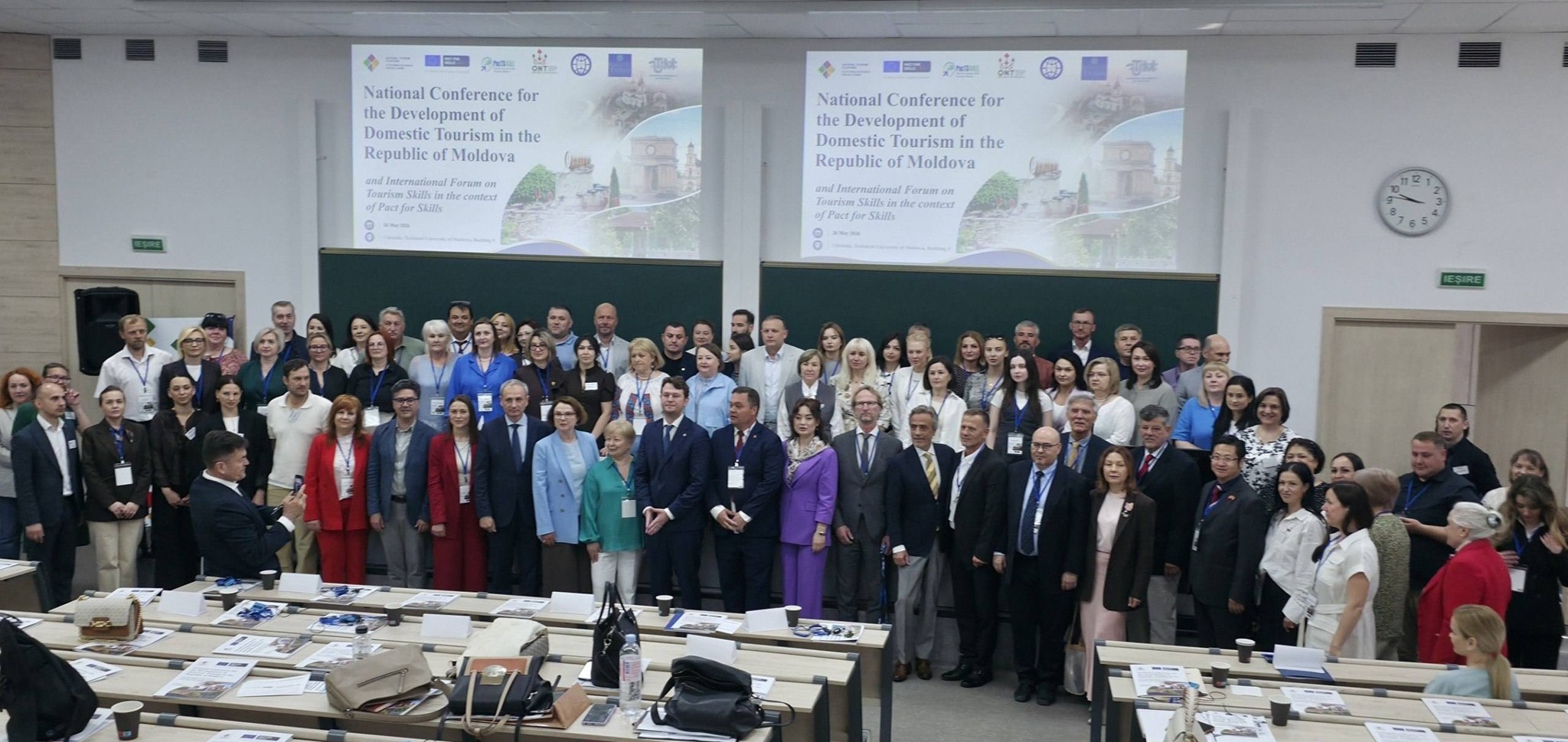
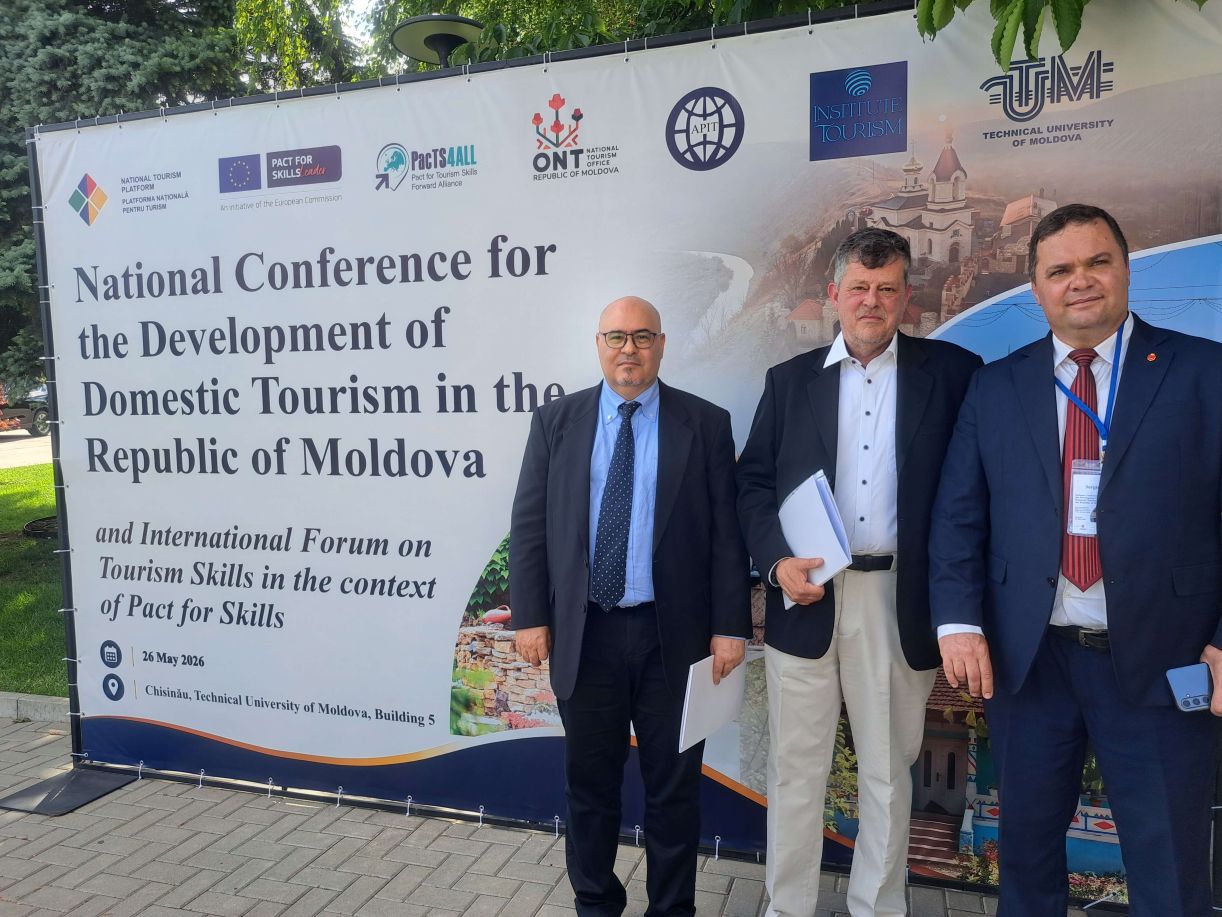
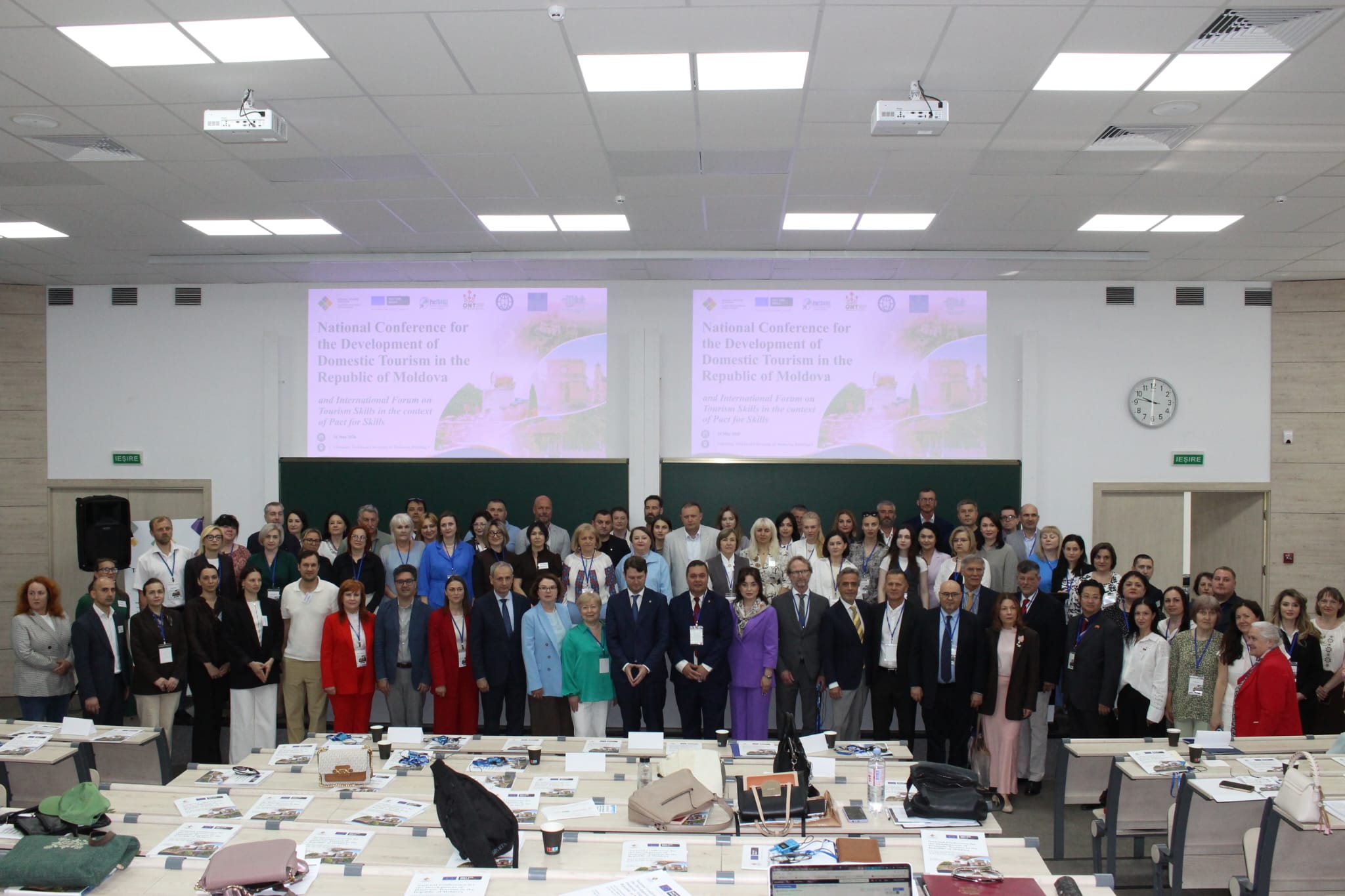
On 26 May 2026, Chișinău hosted an important event for the future of Moldova’s tourism sector: the National Conference for the Development of Domestic Tourism in the Republic of Moldova and the International Forum on Tourism Skills in the context of the Pact for Skills.
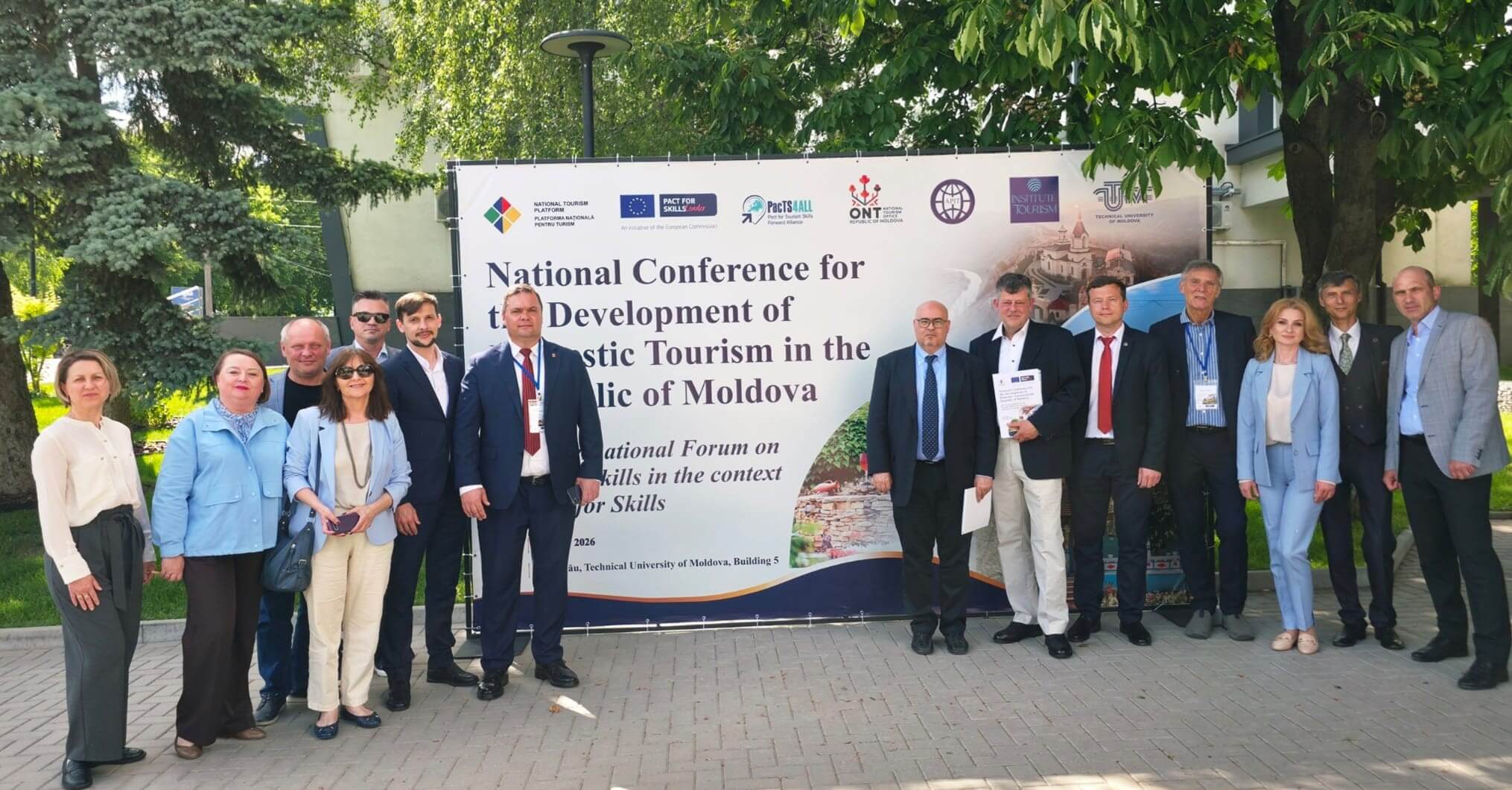
The event was organised by the National Tourism Platform and APIT – the Employers’ Association of the Tourism Industry of the Republic of Moldova, in partnership with the Institute of Tourism, Pact for Skills Tourism LSP, PacTS4ALL and the Technical University of Moldova.
The Conference brought together public authorities, European partners, international organisations, diplomatic missions, academia, HoReCa representatives, tourism businesses, local destinations, wine tourism actors, travel agencies, guides, professional organisations and civil society.
More than a formal conference, the event became a working platform for discussing how tourism in Moldova can move from fragmented promotion towards structured development, stronger skills, better cooperation and a more European-oriented approach.
The National Tourism Platform – a Space for Dialogue and Coordination
One of the most important conclusions of the Chișinău Conference was that Moldova’s tourism sector needs a permanent and functional space for dialogue.
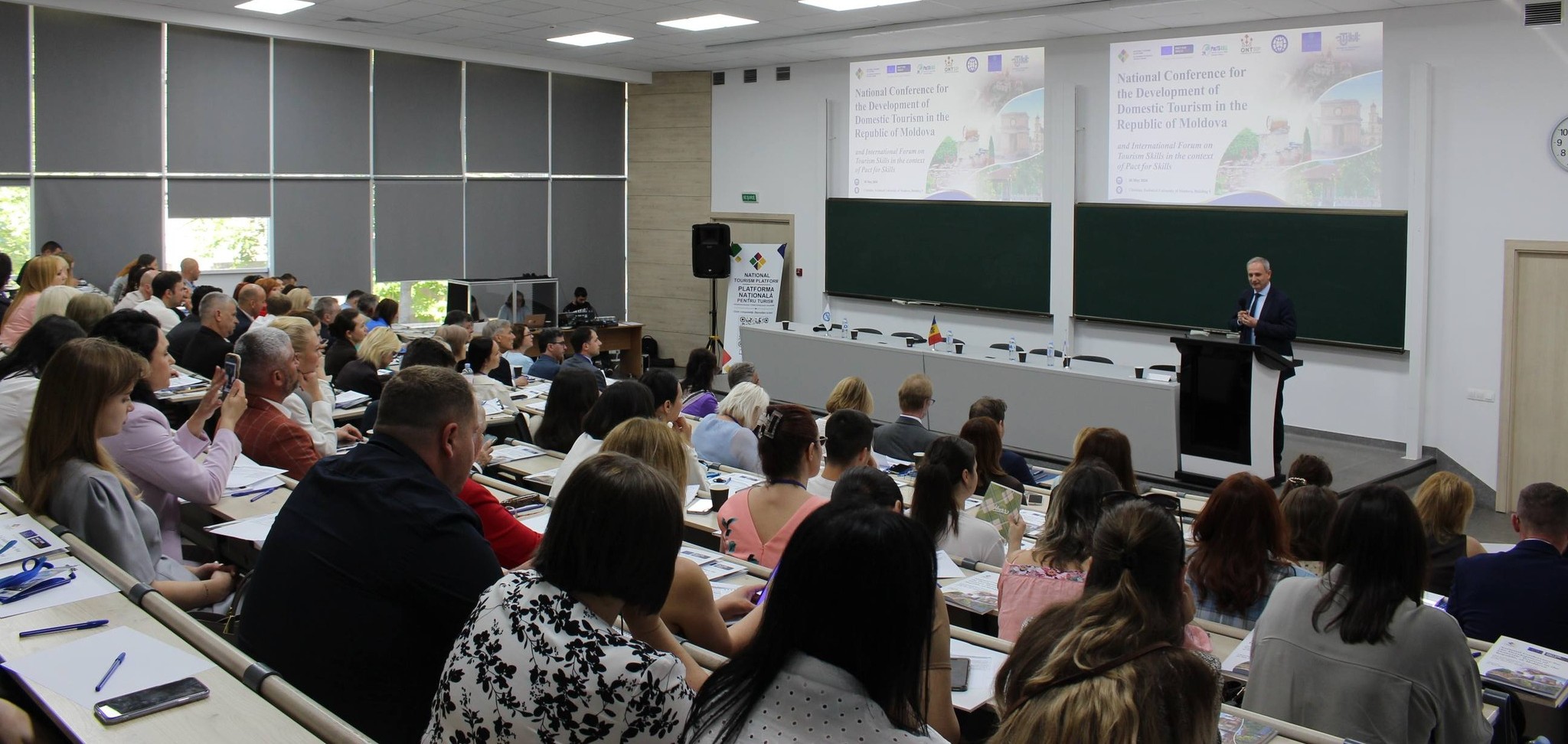
The National Tourism Platform demonstrated its role as a framework for cooperation between public authorities, private sector representatives, HoReCa, education providers, local destinations, professional organisations, civil society and international partners.

The Platform does not aim to replace public institutions. Its purpose is to support consultation, sectoral coordination and cooperation. By bringing together the voices of the tourism ecosystem, the Platform can help transform separately discussed problems into common solutions, policy proposals, projects, partnerships and practical recommendations.
“The Chișinău Conference demonstrated that the tourism sector needs a common voice, professional dialogue and continuity. APIT and the National Tourism Platform will continue working to ensure that the results of this conference are transformed into concrete actions, legislative proposals, projects and sustainable partnerships,” said Sergiu Manea, President of APIT and Coordinator of the National Tourism Platform.
High-Level Institutional and European Participation
The event benefited from the participation of important representatives of public authorities, European institutions, international organisations, academia and the private sector.
The Conference was attended by Andrian Gavriliță, Minister of Finance; Mihaela Gorban, Deputy Secretary General of the Ministry of Economic Development and Digitalization; Andrei Chistol, Head of the Tourism Department within the Ministry of Culture; Liliana Dascaliuc, Head of the Wine Products and Alcoholic Beverages Division within the Ministry of Agriculture and Food Industry; Ion Lupan, Secretary General of the Economic Council under the Prime Minister; and Prof. Viorel Bostan, Rector of the Technical University of Moldova.
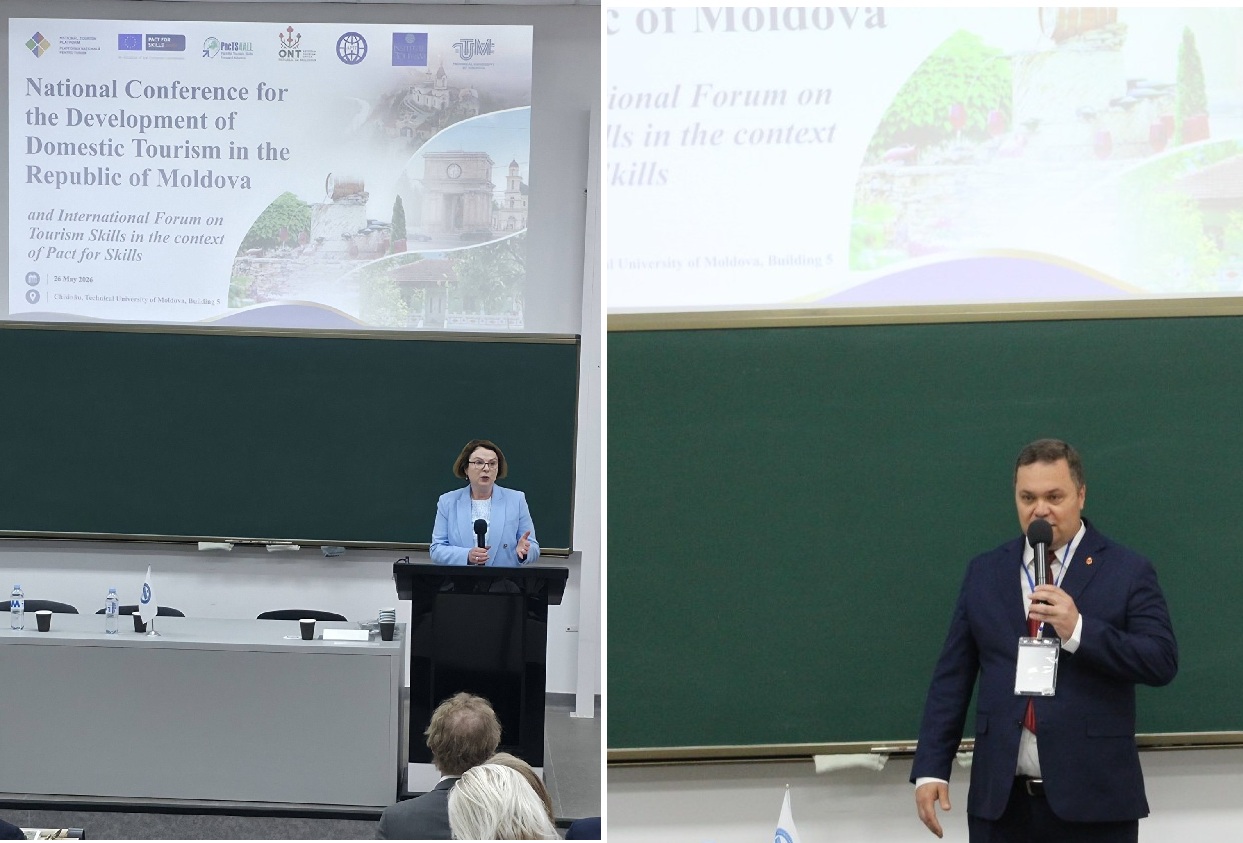
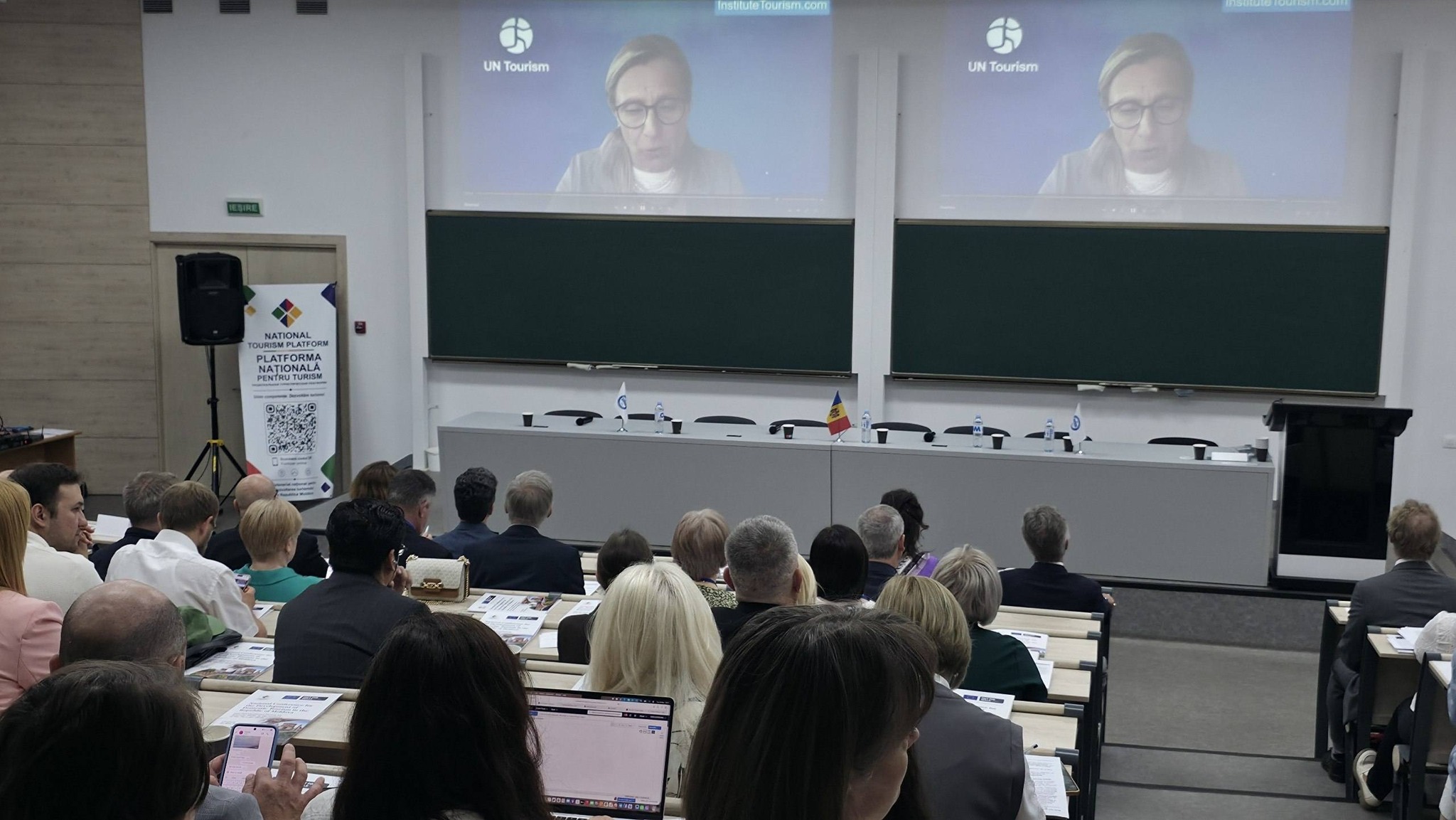
The European dimension of the event was strengthened by the participation of Felix Rohn, representative of the European Commission / DG EMPL, and Klaus Ehrlich, Coordinator of the Pact for Skills Tourism LSP / PacTS4ALL. Messages of support were also delivered by Cordula Wohlmuther, Director for Europe at UN Tourism, and Eduardo Santander, representative of the European Travel Commission.
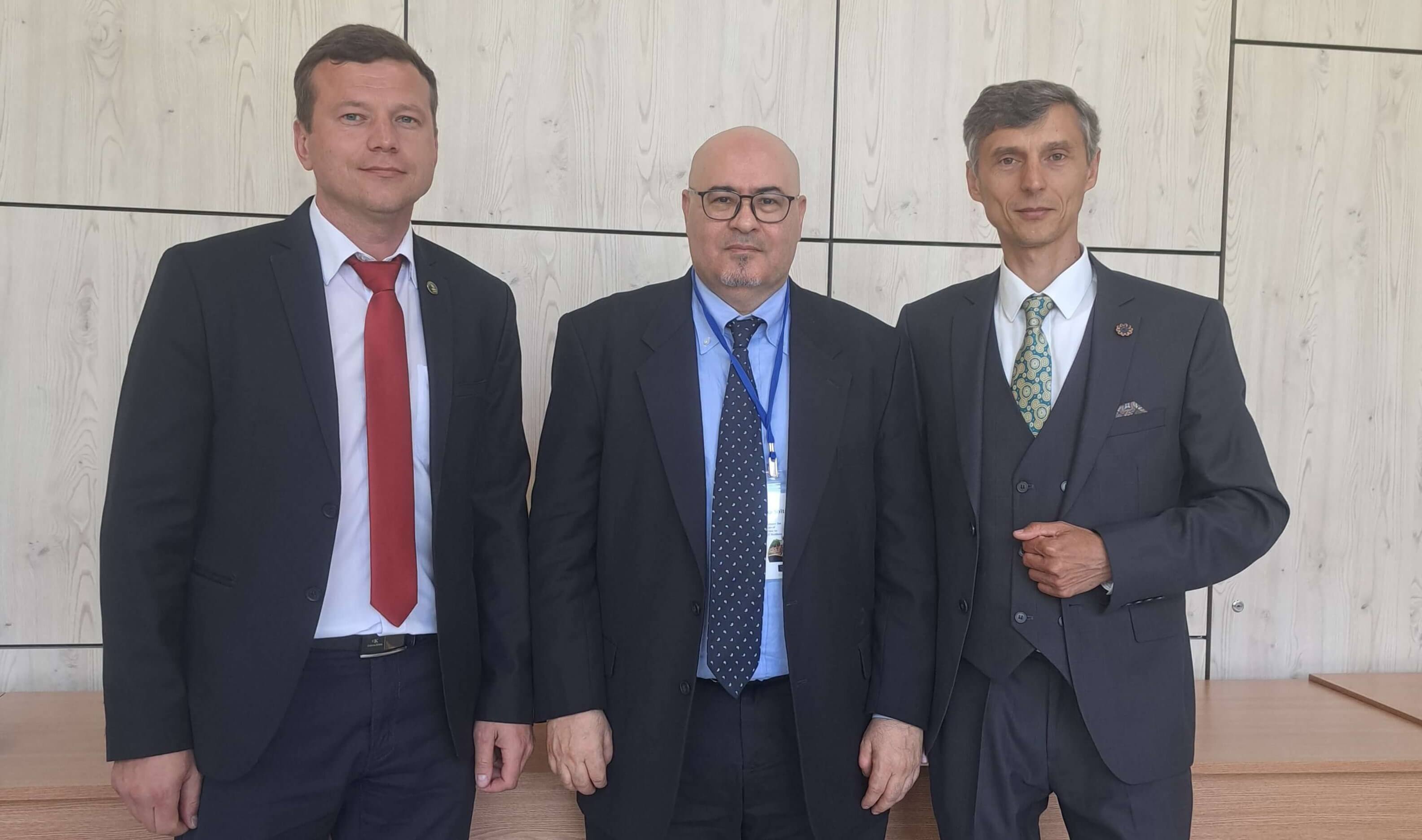
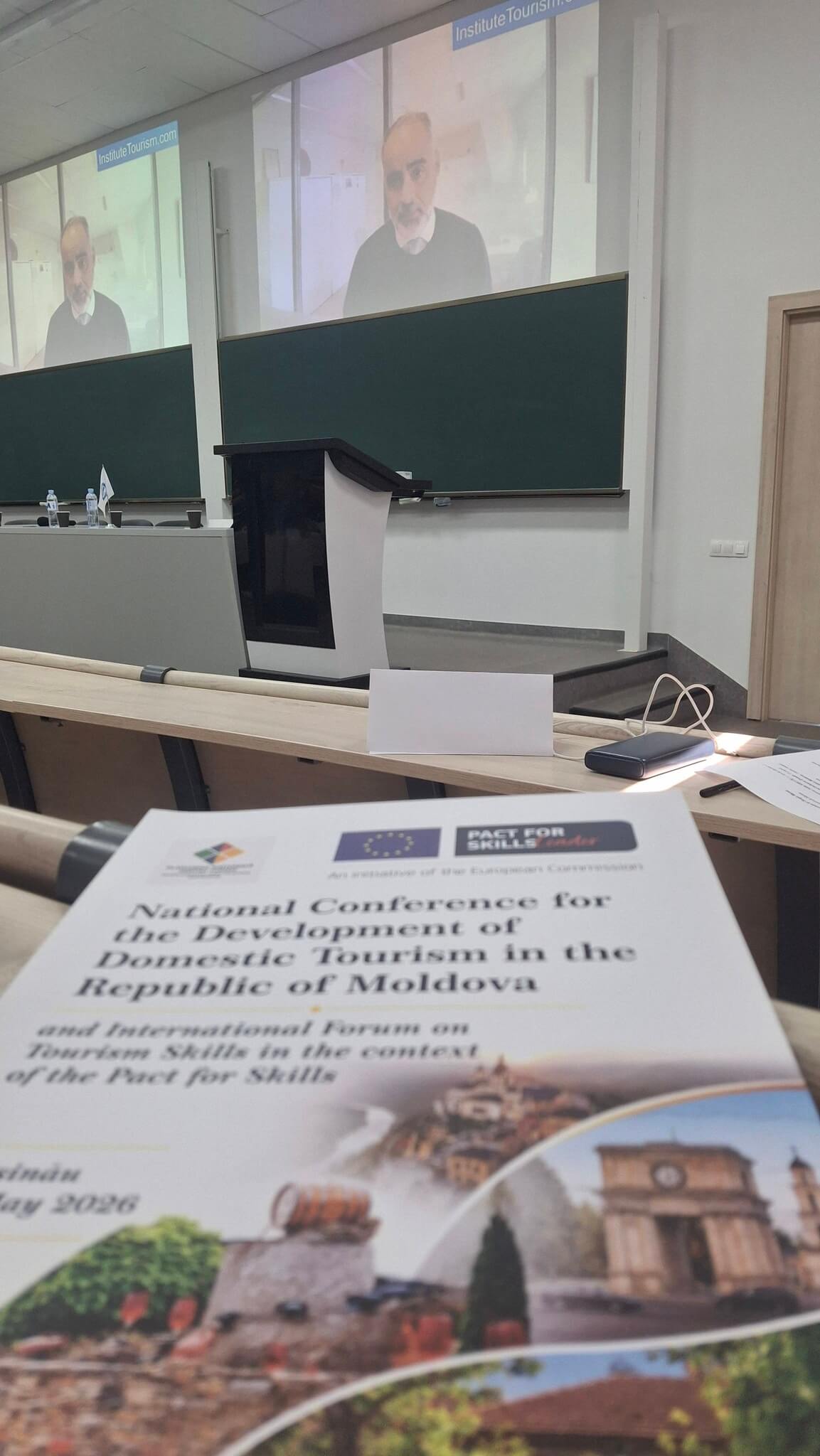
The event also benefited from the participation of Dr. Reza Soltani, President of the International Institute of Tourism, and Florian Van der Bellen, representative of PKF Hospitality Group, who brought an international perspective on professional standards, service quality, investment, competitiveness and hospitality development.
Representatives of international organisations and development partners also contributed to the event, including Ester Ruiz de Azua, Chief of Mission of IOM Moldova; Dona Scola, National Country Program Coordinator at UNIDO; Prof. Dr. hab. Ludmila Malcoci, Regional Director of KHSI for Central and Eastern Europe and Executive Director of Keystone Moldova; and Simone Di Stefano, Deputy Director of Cooperation at the Swiss Cooperation Office.
The Conference also benefited from the participation of representatives of diplomatic missions accredited in the Republic of Moldova, including H.E. Nikolas Krikos, Ambassador of the Hellenic Republic to the Republic of Moldova.
Tourism as an Economic and Social Development Field
One of the key messages of the event was clear: tourism should no longer be seen only as a matter of promotion or image.
In Moldova, tourism is increasingly linked to economic development, HoReCa competitiveness, SMEs, investment, regional growth, employment, local products, professional standards and the country’s European path.
Domestic tourism, in particular, can play an important role in supporting local communities, rural areas, wine tourism, gastronomy, cultural heritage, local destinations and small businesses. However, for this potential to become real economic value, tourism needs stronger coordination, better products, quality services and well-prepared professionals.
“Tourism can no longer be treated only as a field of promotion. Today, tourism means economy, investment, HoReCa, regional development, jobs, skills and European connection. Through this conference, we aimed to consolidate a real platform for dialogue and cooperation between public authorities, business, education and international partners for the future of tourism in the Republic of Moldova,” said Sergiu Manea.
The Minister of Finance, Andrian Gavriliță, also underlined the importance of tourism as a field with significant opportunities and development potential.
“I want to assure you that we see tourism as a field with significant opportunities and development potential. It is a sector that means not only economic contribution or jobs, and not only the export of services, but also, to a significant extent, the image of our country abroad and a direct factor influencing the quality of life of citizens,” stated Andrian Gavriliță, Minister of Finance.
At the same time, the importance of a simple, convenient and competitive fiscal system, based on compliance and predictability, was highlighted as a necessary condition to support entrepreneurs who invest and develop businesses in the Republic of Moldova.
 Civil Society as a Bridge between Institutions, Business and Communities
The Conference confirmed that civil society has a crucial role in the development of tourism.
Civil society organisations can act as a bridge between public authorities, businesses, education providers, local communities and international partners. This role is especially important in tourism, because tourism is not developed by one institution alone.
A destination is built through cooperation. Local authorities, hotels, restaurants, guides, museums, wineries, guesthouses, transport providers, universities, colleges and professional associations all contribute to the visitor experience.
Through the National Tourism Platform, civil society can help identify real needs of the tourism and HoReCa sectors; support dialogue between businesses and public institutions; connect education providers with labour market needs; promote professional standards and quality services; support local destinations and community-based tourism; contribute to policy discussions and sectoral reforms; build trust between stakeholders; and connect Moldova with European initiatives and networks.
The Chișinău Conference showed that civil society is not a parallel structure to public institutions. It is a partner that can help organise dialogue, collect sectoral feedback, support cooperation and transform ideas into practical recommendations.
HoReCa and the Private Sector – an Essential Part of the Tourism Value Chain
A significant part of the Conference was dedicated to the HoReCa sector, economic competitiveness and the private sector.
Hotels, restaurants, wineries, guesthouses, travel agencies, guides and providers of tourism experiences were presented as central elements of the tourism value chain.
Discussions focused on taxation, predictability, operating costs, business support instruments, SMEs, investment and the role of domestic tourism as an economic sector. Participants underlined that a competitive HoReCa sector does not only mean better services for visitors, but also jobs, local economic activity, fiscal revenues, promoted local products and a stronger country image.
Florian Van der Bellen, representative of PKF Hospitality Group, brought an international perspective on hotel performance, investment and destination competitiveness, while private sector representatives emphasised the need for predictable policies, quality services and constant cooperation with public authorities.
Destinations, Products and Domestic Tourism Routes
Another major topic of the Conference was the need to transform Moldova’s tourism potential into concrete, marketable products connected to real market demand.
Participants discussed weekend tourism, city-breaks, rural tourism, wine tourism, gastronomic tourism, cultural tourism, ecological tourism, balneal tourism, medical tourism and event tourism.
The role of local public authorities, tourist information centres, museums, guides, wineries, guesthouses and travel agencies in creating functional routes and tourism packages was also highlighted.
An important idea expressed during the discussions was that a destination is not only a beautiful place. A destination is a system of services, people, products, accessibility, promotion, sales and local coordination.
In this regard, the Conference confirmed the need to develop pilot destinations, operationalise destination management organisations and strengthen cooperation between local authorities, the private sector and the National Tourism Platform.
Skills as the Foundation of Competitive Tourism
A major focus of the Forum was the development of professional skills in tourism.
Tourism competitiveness depends not only on infrastructure, marketing or beautiful places. It depends on people: reception staff, guides, managers, cooks, waiters, tour operators, destination managers, trainers, marketers and young professionals entering the sector.
Participants discussed the need for modern training programmes, stronger cooperation between education and business, professional standards, service quality, digital skills, green skills, language skills, inclusion and lifelong learning.
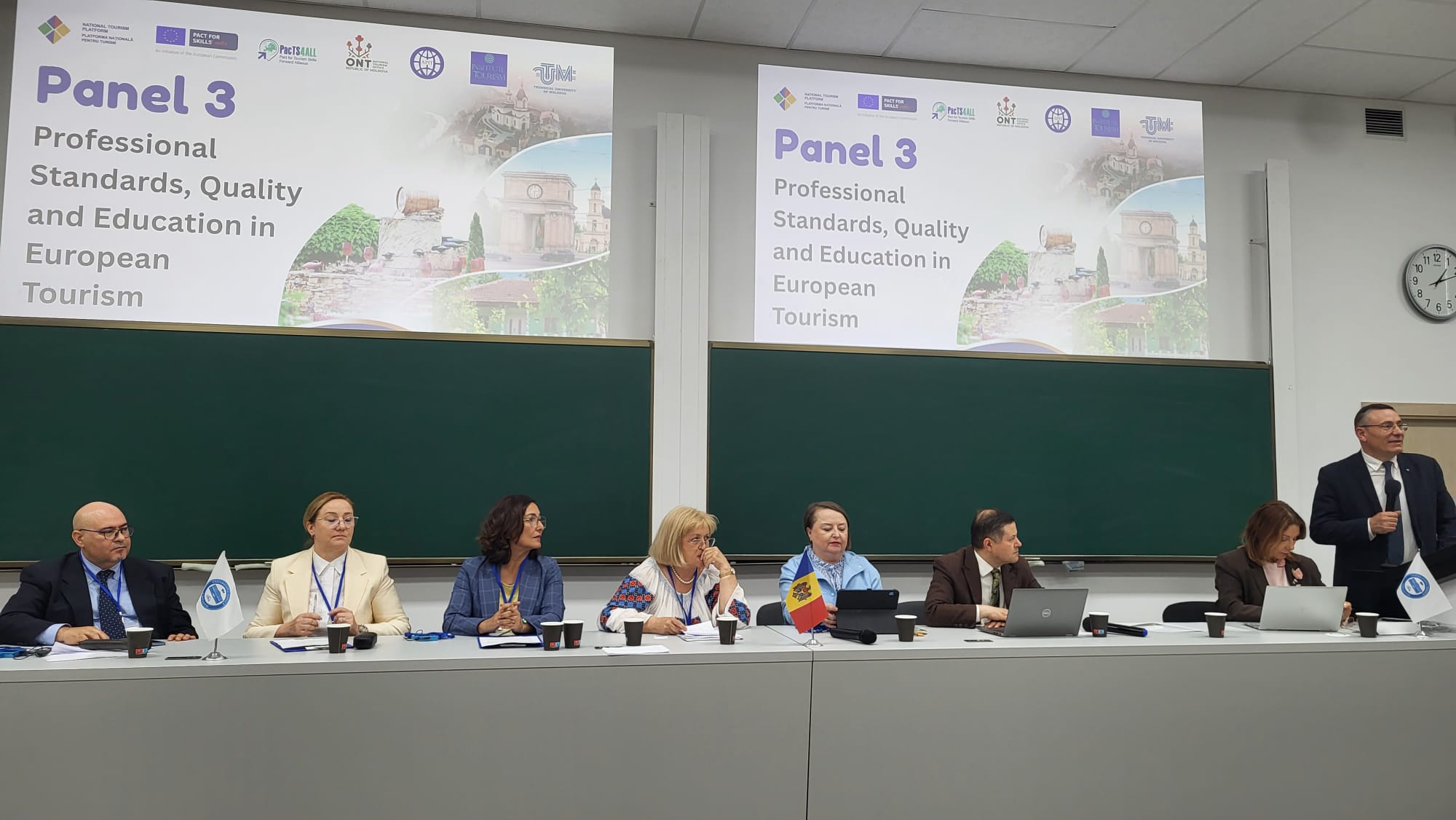
The panel “Professional Standards, Quality and Education in European Tourism” highlighted the importance of aligning Moldova’s tourism education and professional development with European practices.
The message was simple but essential: without skilled people, there can be no high-quality tourism.
By organising and hosting such an event, the Technical University of Moldova strengthened its position as a university connected to the major economic and social transformations of the region and actively contributed to the development of key fields for the future of the Republic of Moldova. The dialogue between education, research and industry thus becomes a real resource for training the specialists who will redefine the standards of tourism, public catering and hospitality in the years to come.
Institute of Tourism: Supporting Knowledge, Standards and Cooperation
The Institute of Tourism supported the event as an international partner committed to strengthening professionalisation, education and cooperation in the tourism sector.
Through its involvement, the Institute of Tourism aims to contribute to the development of a stronger knowledge and skills ecosystem for tourism in Moldova.
“Tourism development is ultimately about people, knowledge and quality. Moldova has a strong opportunity to build a modern tourism ecosystem if education, business, public institutions and civil society work together. Through the Institute of Tourism, we are committed to supporting professional standards, training, research and international cooperation, so that tourism becomes not only more competitive, but also more sustainable, inclusive and connected to European practices,” said Dr. Reza Soltani, President of the International Institute of Tourism.
The Institute’s support is especially relevant in areas such as professional training and capacity building, tourism research and knowledge exchange, service quality and professional standards, cooperation between education providers and the private sector, development of modern tourism skills, international partnerships and expert dialogue, support for the National Tourism Skills Platform and future cooperation around the Regional Tourism Skills Partnership.
For Moldova, the involvement of the Institute of Tourism is important because it helps connect local tourism development with international expertise and European-level discussions on skills, quality and sectoral transformation.
Pact for Skills, NSTP and RSTP Moldova
The European dimension of the Conference was strengthened through the Pact for Skills component and the discussion on the development of professional skills in tourism.
During the Forum, participants discussed the development of the National Tourism Skills Platform as a national instrument for coordinating the tourism skills agenda, as well as the perspective of establishing a Regional Tourism Skills Partnership for the Republic of Moldova.
These initiatives can connect public authorities, the private sector, education institutions, professional organisations, civil society and European partners within a common framework focused on skills, standards, lifelong learning and sector competitiveness.
A future Regional Tourism Skills Partnership could help Moldova map skills needs in tourism and HoReCa; identify gaps between education and labour market demand; develop training priorities; promote lifelong learning; support quality standards; connect with European tourism skills initiatives; build partnerships for future projects; and strengthen Moldova’s position in the Pact for Skills ecosystem.
This direction is particularly relevant in the context of Moldova’s European integration path and the growing need to align national sectoral development with European frameworks.
APIT and the National Tourism Platform consider that the NSTP and RSTP Moldova should become practical instruments for identifying skills needs, adapting training programmes, promoting professional standards and connecting the Republic of Moldova to European initiatives in the field of tourism.
The Conference Resolution – from Dialogue to Action
An important result of the event is the Final Resolution of the Conference, which outlines the main directions of action for the coming period.
The document underlines the need to consolidate domestic tourism as an economic and regional priority, support the HoReCa sector, develop destinations, operationalise destination management organisations, modernise the regulatory framework, develop professional skills and strengthen public-private dialogue.
An important element of the Resolution is the recommendation to review and amend Law No. 352/2006 on the organisation and conduct of tourism activity, so that it reflects the new realities of the sector: domestic tourism, destination management organisations, digitalisation, HoReCa, professional standards, skills, public-private partnership and European alignment.
The Resolution reconfirms the role of APIT and the National Tourism Platform as mechanisms for consultation, dialogue and sectoral coordination between public authorities, business, education, local authorities, development partners and European organisations.
A Step from Dialogue to Action
The Chișinău Conference showed that Moldova’s tourism sector has energy, ideas and committed people. It also showed that the next stage requires structure, coordination and practical follow-up.
The event of 26 May was more than a conference. It was a step towards institutional validation, an exercise in sector mobilisation and a starting point for a common agenda on the future of tourism in the Republic of Moldova.
The future of tourism in Moldova will depend on the ability to connect public policy, private initiative, education, local communities and international cooperation.
Tourism development is about building skills, creating opportunities, strengthening communities, improving quality of life and presenting Moldova to the world with confidence, professionalism and authenticity.
APIT and the National Tourism Platform will continue promoting the Conference Resolution, proposing a post-event roadmap and maintaining dialogue with public authorities, European partners and sector stakeholders in order to transform the conclusions into concrete actions.
Institute of Tourism Co-Organize, Supports and Partner the National Conference for the Development of Domestic Tourism and the International Forum on Tourism Skills.