



Tourism in a Time of Terrorism and War
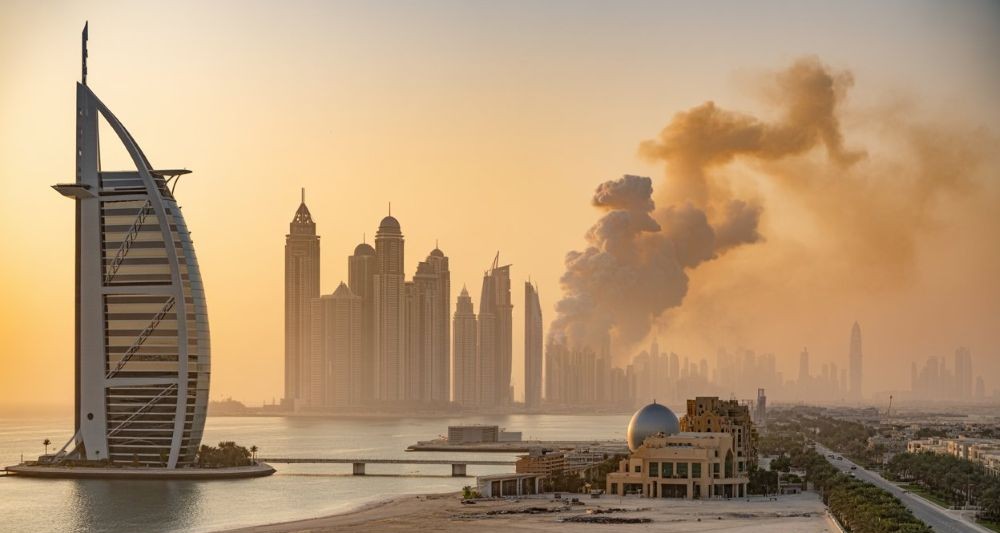
The first quarter of 2026 has not been easy for the tourism industry. Besides the issues of potential crime and terrorism, there have been new wars across the Middle East, wars in Africa and Asia, the fall of the Maduro regime in Venezuela, and the continuation of war in eastern Europe. There is also the threat of war in the Taiwan Straits and the Caribbean. These armed conflicts (most have not been declared official wars) have impacted the tourism industry in numerous ways.
The Middle Eastern conflicts are intertwined with the energy and transportation sectors of the economy. When fuel prices rise, so does the cost of transportation and commodities.
Furthermore, an uncertain reality causes people to be cautious when it comes to travel. With airports being shut down and major airlines not flying, travelers, even in relatively safe regions, can never be sure that their flight will take off or that the desired airport will be open.
Price increases are another problem. The rise in prices is not necessarily due to price gauging. The increase in energy costs impacts almost everything in tourism, from the cost of transporting a bottle of water and food, to airline tickets. Global inflation has caused employers to raise salaries; even when overhead decreases, higher salaries and higher energy costs make it very difficult for employers to create affordable experiences and still stay in business. Furthermore, multiple locations have demanded that service personnel receive what is called a “living wage.” This means that waiters who once received a good part of their salary from tips are now being paid 5 or 6 times as much and the additional cost is passed onto the consumer.
Although the tourism industry has relatively little control on the political, economic and military situations around the world, that does not mean that it is helpless or must be nothing more than a passive player on the world stage.
Below are a few of the ways that tourism can begin to address these continual conflicts:
– Provide special tourist training for your police force. A police officer can be an asset to your tourist industry. A special training program for your community’s police ought to include: the economic and social impact of tourism on their community, a hospitality training program on how to treat strangers, and an information packet on the tourist facilities and attractions within the community. Research demonstrates that those cities that generate a great deal of money from tourism have the most to lose if their police force makes a mistake.
– Remember that nothing lasts forever. Although the world and the tourism industry are facing turbulent times, solutions will be found, energy prices will fall, and economies will recover. Use these difficult times to prepare for better times. If the number of customers is less right now, take advantage of the lull to improve customer service or upgrade your facilities.
– Use your information services as a tourism security tool. Use your information services, and especially your city maps, to direct tourists to the safest routes between attractions. Train employees to take an active rather than passive role in advising visitors of the best (safest) routes to take, safest places to be, and modes of transportation to use.
– Have a plan of action to deal with tourists who are victimized by the current situation. This is the moment to give tourists all the best care possible. The tourist professional’s actions can create a situation where the victimized tourist leaves with a positive outlook toward the locale’s hospitality rather than as a vocal critic. Remember that a bad experience that is not repaired is the worst form of publicity.
– Be prepared for greater litigation in the world of tourism and travel. Frustrated visitors tend to consider lawsuits no matter what the reason. Places of lodging should especially be careful of guests suing them for all sorts of reasons. It is a good idea to check with your legal professional to determine where your weaknesses are and to be prepared to deal with whatever legal problems might develop due to the current unsettled situation.
– Develop security standards for your hotel/motel and/or attraction. These standards should contain policies on who can and cannot enter the premises and what type of non-human surveillance systems will be employed. Other policies should include what type of lighting is to be used, which outside vendors will be allowed access (including who will conduct background checks on them), what type of parking lot security will be used, and how safe is the baggage room not only from theft but also from acts of terrorism.
–Find creative ways to control tourism prices. These ways might include bonus nights at hotels, loyalty programs, or food coupons. When visitors feel that they are being taken advantage of, especially in hard times, they simply tend not to travel.
–In times of violence expect Issues of fraud. Unfortunately, when political or economic instability occurs due to acts of violence, fraudulent acts become an even greater part of the tourism component. In times of uncertainty people often have to make rapid decisions as situations change and there are those who seek to take advantage of the traveling public. Set up advisory booths or locales where visitors can ask for current and accurate advice. To help prevent credit card fraud, make sure that people who work with the public not only realize how to identify scams but can provide travelers with accurate and useable advice.
– Watch for signs of stress among both employees and guests. Stress often comes from a sense of being out of control or not knowing what to do. Those working in the tourism industry suffer from both fear and stress. Make sure that employees know to whom they can turn and that there is a sympathetic ear to listen to their concerns. Many health insurance providers now offer mental health counseling by phone or online; make sure that employees know about those resources. Provide training and information so that both employees and visitors know what to do in case of an emergency. List emergency numbers in multiple languages and in large font sizes. Provide personal safety tips and never forget to apologize when something goes wrong.