


Middle East Conflict and Consequences for Tourism in Less Developed Countries is resulting in thousands of innocent people killed as well as producing increasingly negative consequences for the global economy including global tourism. Similar to climate change, the poor countries of the world have the least to do with this conflict, however, they suffer the most from the effects.
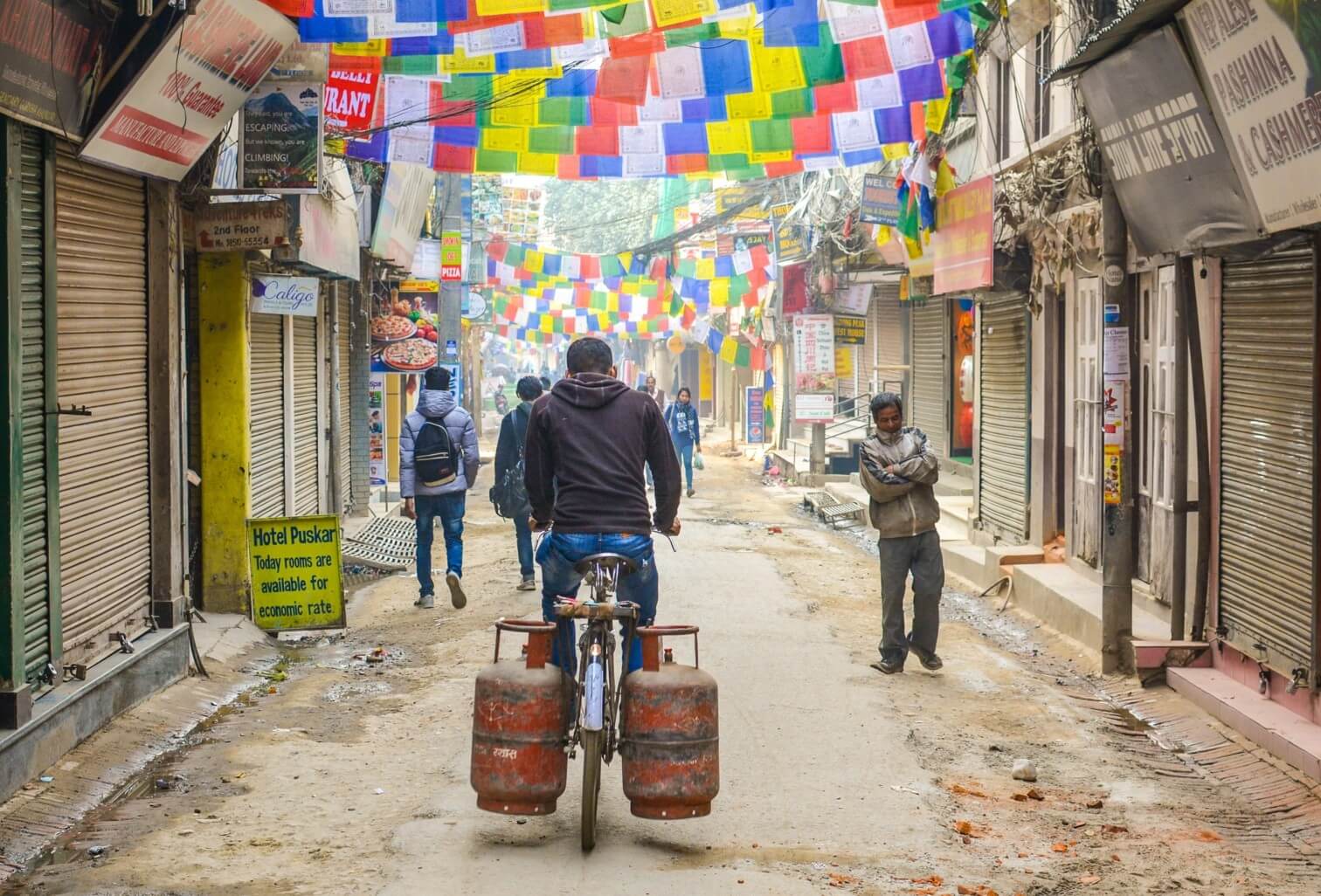
The unfolding energy crisis has interrupted the aviation routes especially between Europe, the Middle East and Asia, prices for Kerosine and consequently for air tickets are moving up worldwide, most destinations are reporting cancellations of 50% or more for April and May and lower levels of booking for the rest of the year. Domestic tourism is also affected with higher cost for land, water and air transport of passengers and goods.
Moreover, many would-be travellers are postponing trips due to fear of terrorist attacks on hotels and airports. Many also refrain from leisure trips based on a pessimistic personal economic outlook.
Tourism and hospitality service providers in Least Developed Countries and Less Developed Countries, which just overcame the sufferings during the CoViD-19 pandemic, are facing bankruptcy again and have to reduce their workforce. Governments, especially in the LDCs depending on inbound tourism for a large portion of GDP generation, receive less tax income and have to cut regional and sustainable tourism development programs.
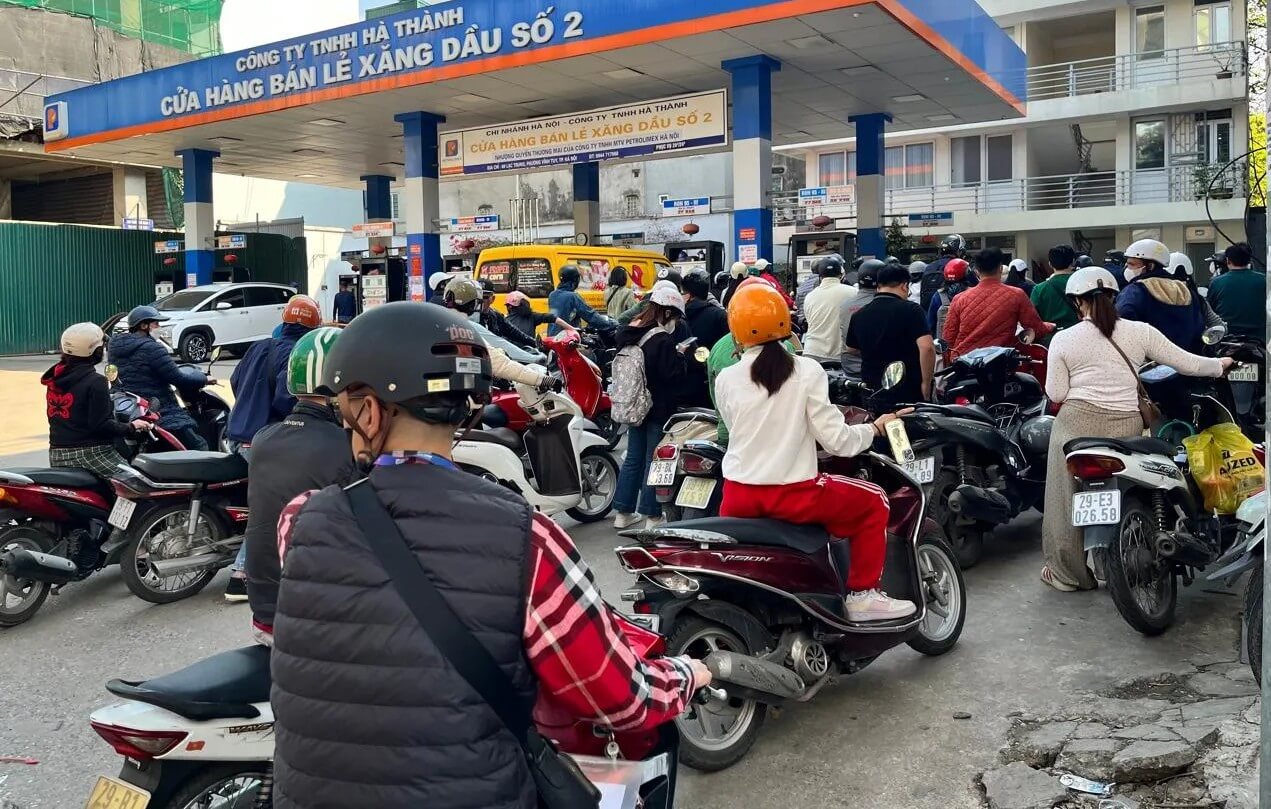
However, there are also many indirect effects of the energy crisis. Increased transportation cost hit countries which are depending on imports of goods needed for inbound tourism services and drive inflation in general.
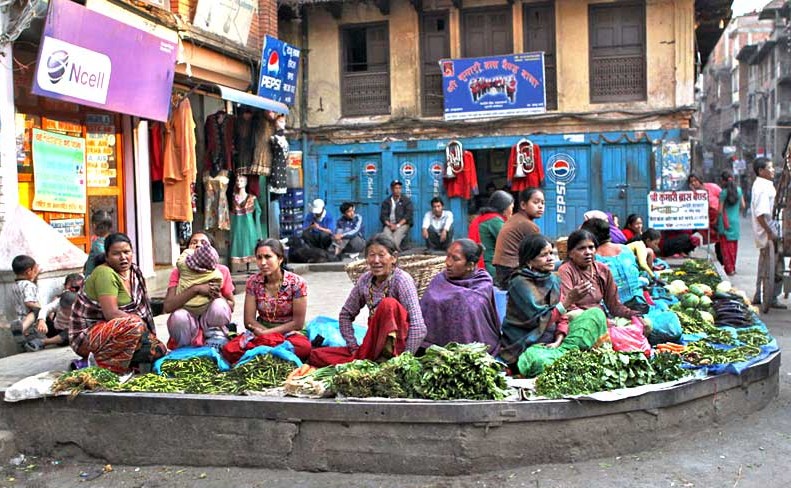
Remittances from citizens especially of Asian and African LDCs working in the GCC countries have been another major, often the only source of income for families in LDCs. For Nepal as an example, such remittances from more than two million Nepali working in GCC countries have sustained rural societies across the nation.
LPG, which is widely used for cooking in many LDCs, is now more expensive and often hard to get. Local producers of fertilizer or simple plastic goods like single-use bottles and bags have to close production lines as raw materials disappear from the market. Road construction has to stop as the exploding prices of Bitumen and other petrol-based materials make it impossible for construction companies to fulfil their contracts calculated on much lower cost. Local breweries using imported hops and malt face serious problems as they cannot increase prices to a level necessary to cover the higher cost.
There are many other effects, which are damaging the economy as a whole, but have in many cases especially negative impact on tourism expenditures. Travel, especially Leisure Tourism, is a luxury good which is not necessary for survival. Low prices have been a main reason for many visitors to choose LDC destinations. With transport cost sharply increasing for the tourists themselves as well as for the imported products they are consuming during their stay, the offsetting of the international travel cost with lower living cost in the destination is no longer working.
For Asia, the consequence in many destinations is already a greater orientation towards intra-continental source markets. This will also be a major topic for the new weekly podcast series Travel Dialogues South Asia, which TravelDailyNews.asia and the Meaningful Tourism Centre are starting this week.
For Africa, home of a smaller number of affluent people and suffering from high regional air transport prices already before the current crisis, this is less of an option. For East Africa, developing Addis Abeba and Nairobi as alternative hubs for air transport between Europe and Asia might be a unexpected boon.
Less airline passengers, less plastic production and a push towards the use of electric motors not only for limousines but also for trucks and ships are positive effects, as far as a reduction in environmental damage is concerned. For LDCs however it means one more hurdle towards increasing the wellbeing and living standards of its citizens.
The critics who have cautioned since the 1980s against depending too much on tourism alone for economic development, now have for the second time in a decade the sour-sweet satisfaction of being able to say “I told you so”.